The landscape of a construction site is a symphony of coordinated chaos, where timelines, budgets, and material integrity must harmonize perfectly. At the heart of many projects lies the persistent challenge of concrete placement—a process traditionally fraught with logistical bottlenecks and potential for inconsistency. Conventional methods often involve a relay of separate machines and manual labor, creating multiple points where efficiency can falter.
In this demanding environment, two pieces of technology have emerged as transformative allies: the self loading concrete mixer and the concrete pump. While powerful individually, their true potential is unlocked when they operate in concert, creating a seamless workflow that elevates every aspect of a project from foundational preparation to final finish.
The Autonomous Workhorse: Capabilities of the Self-Loading Mixer
The self-loading concrete mixer is a paradigm of job-site independence. Unlike its stationary or trailer-bound counterparts, this machine is an embodiment of self-contained capability. It is designed to collect its own raw materials—aggregates, sand, cement, and water—directly from stockpiles on site. Through an integrated loading arm and a precise onboard batching system, it can formulate the exact mix design required, eliminating the guesswork and potential errors of manual batching. This autonomy is its greatest strength.
This self-sufficiency yields profound logistical advantages. There is no longer a need to coordinate a constant stream of transit mixers from a remote batching plant, a process vulnerable to traffic delays and scheduling conflicts. The self loading concrete mixer for sale south africa provides an on-demand supply of fresh concrete, mixed directly where it is needed. This immediacy is crucial for maintaining the critical workability window of concrete, ensuring that it is placed at its peak performance state. The machine’s all-terrain mobility allows it to navigate rough, unprepared sites, making it indispensable for remote locations or projects in their early phases where established infrastructure is nonexistent. It effectively condenses the entire supply chain of raw material handling, batching, and mixing into a single, mobile unit.
The Reaching Arm: Capabilities of the Concrete Pump
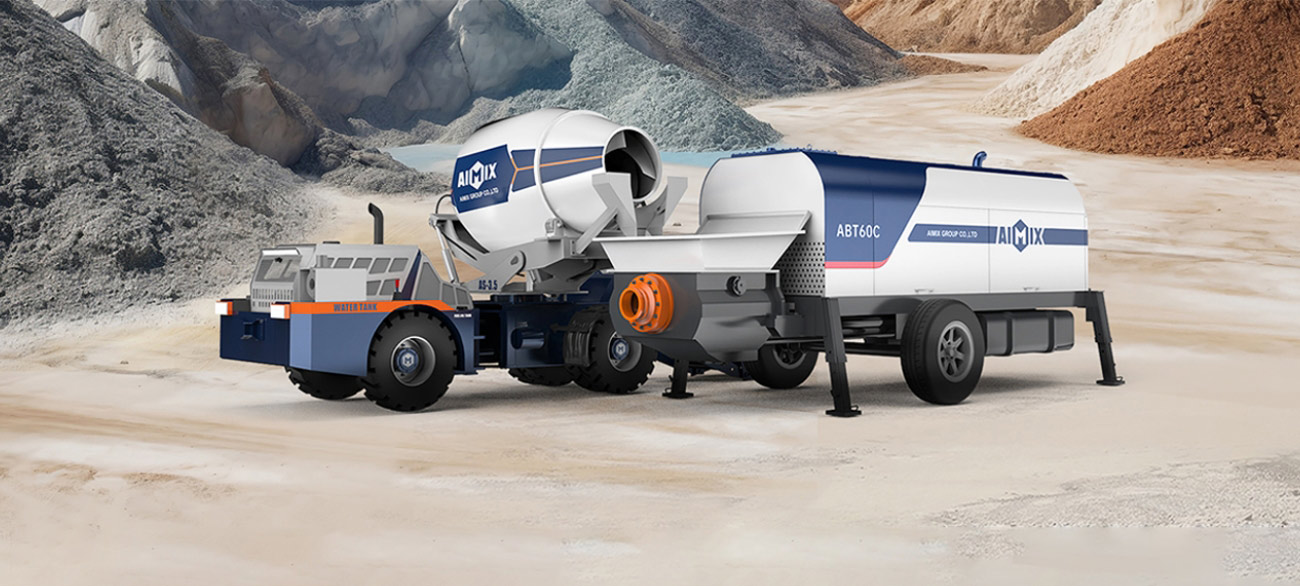
Where the self-loading mixer solves the problem of material production, the concrete pump for sale south africa solves the problem of material placement. This machine acts as the project’s reaching arm, capable of delivering concrete across vast horizontal distances and soaring vertical heights with remarkable precision. It overcomes physical barriers—such as deep excavations, obstacles, or upper-floor levels—that are insurmountable for traditional methods like cranes and buckets or conveyor belts.
The benefits of this targeted delivery are multifaceted. First, it dramatically accelerates the pace of placement. A continuous flow of concrete is pumped directly to the point of application, bypassing the slow, labor-intensive process of moving and pouring by hand. Second, it enhances the final quality of the structure. The non-stop, pressurized placement minimizes the risk of cold joints—weak points that can form when a subsequent pour is made on concrete that has already begun to set. Furthermore, pumping allows for precise placement in complex formwork or densely reinforced areas, ensuring complete consolidation without voids. From a safety perspective, it reduces the need for workers to maneuver heavy wheelbarrows on precarious scaffolding, thereby mitigating a significant source of site accidents.
A Symbiotic Partnership: The Combined Workflow Advantage
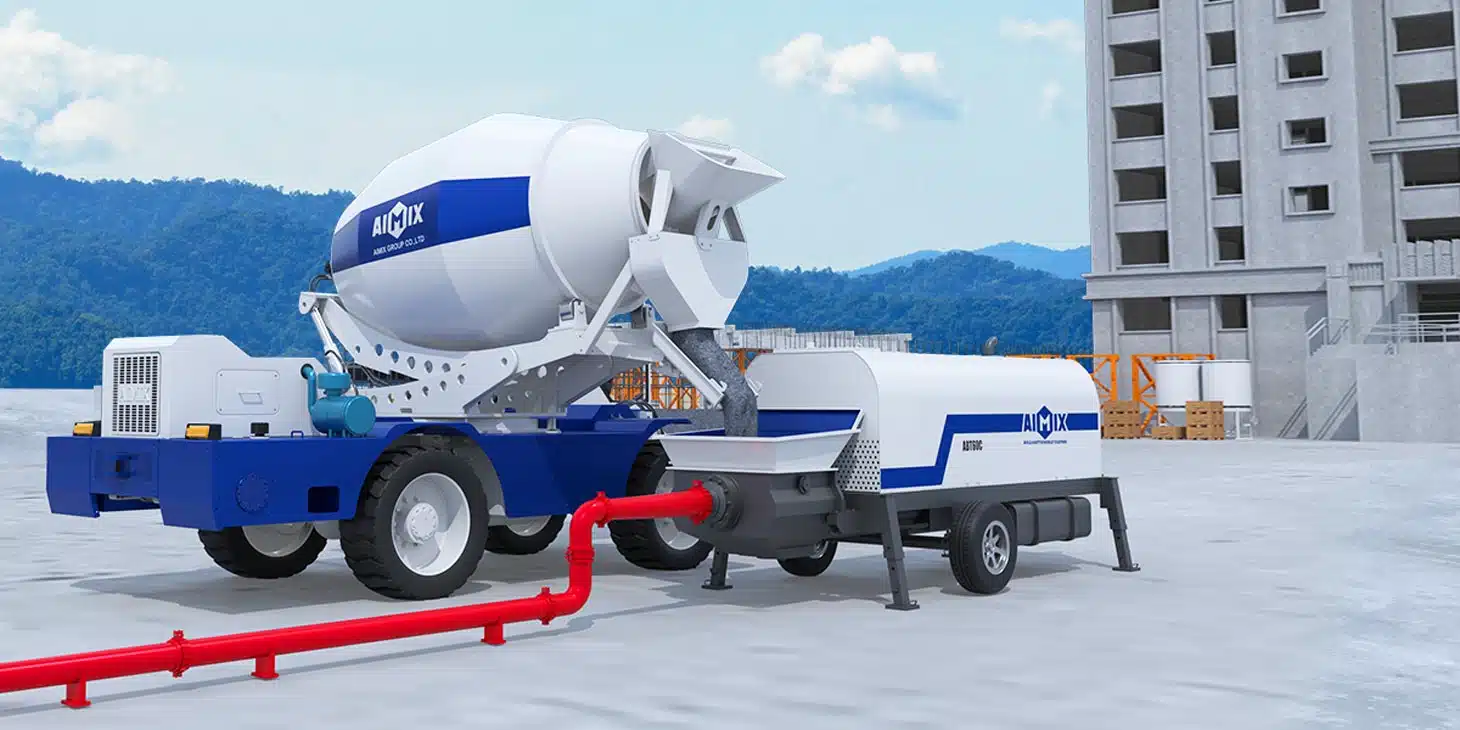
While each machine is powerful in its own right, their integration creates a synergistic effect that is greater than the sum of its parts. Together, they form a continuous, closed-loop material delivery system that streamlines operations to an unprecedented degree. The self loading mixer operates as the dedicated, mobile batching plant, producing a consistent supply of fresh mix. It can then discharge this mix directly into the hopper of the waiting concrete pump mixer.
This direct handoff eliminates the intermediate steps and waiting periods that plague traditional workflows. There are no delays waiting for delivery trucks; the concrete is produced and transferred in a fluid, uninterrupted sequence. This symbiosis is particularly potent for large-scale pours, such as foundations, slabs, or major structural elements, where stopping is not an option. The system provides project managers with absolute control over the concrete schedule, insulating the project from external supply chain disruptions. This operational fluidity translates directly into tangible project outcomes: shortened timelines, reduced labor costs, and optimized machinery utilization. The reliability of this partnership ensures that the project’s most critical material is managed with maximum efficiency and minimal waste, from its raw state to its final, placed form.