The global construction industry generates a staggering volume of concrete debris from demolition, renovation, and site clearance activities. Historically, this material represented a costly liability, consuming valuable landfill space and incurring substantial tipping fees. The paradigm has shifted. Modern mobile concrete crusher for sale have transformed this waste stream into a legitimate and profitable resource, creating the foundation for a viable recycling enterprise. Launching such a business, however, requires more than just procuring machinery; it demands a meticulous strategy that integrates market analysis, operational logistics, and a clear understanding of the regulatory and economic landscape. A systematic approach is essential to convert the theoretical potential of concrete recycling into a sustainable and profitable commercial operation.
The Foundational Phase: Market Analysis and Business Planning
Before investing in equipment, a prospective entrepreneur must conduct a rigorous assessment of the local market dynamics and establish a robust business framework. This foundational work dictates every subsequent operational decision.
Identifying Your Raw Material Supply and End-Market
The lifeblood of the business is a consistent inflow of concrete debris. This requires building relationships with demolition contractors, general contractors, and municipal public works departments. Analyze the volume and consistency of waste concrete generated in your target region. Simultaneously, you must identify clear pathways for your finished product. Recycled concrete aggregate (RCA) has specific applications, including use as a base material for new roads, pipe bedding, backfill, and as a constituent in new concrete mixes. Understanding the technical specifications and quality standards demanded by these end-markets—such as gradation, cleanliness, and contamination levels—is paramount. Your business model hinges on this dual-channel strategy: securing a reliable feedstock and cultivating dependable off-take agreements.
Navigating Regulations and Securing a Site
Concrete recycling operations are subject to a matrix of local, state, and federal regulations. Zoning laws may restrict industrial activity, while environmental permits govern dust, noise, and water runoff. A crucial early step is engaging with the relevant authorities to understand the permitting requirements for a construction waste recycling yard. The choice of location is a strategic decision. An ideal site is centrally located to minimize transportation costs for both incoming waste and outgoing product, has sufficient space for stockpiling and equipment maneuvering, and is configured to allow for proper water management and dust control. Securing the correct permits and a suitable location is a non-negotiable prerequisite for lawful operation.
The Operational Core: Selecting and Deploying Mobile Crushers
The selection of the mobile crushing unit is the most significant capital decision and the central pillar of your operational capability. The right machine dictates efficiency, product quality, and ultimately, profitability.
Choosing the Right Crusher Configuration
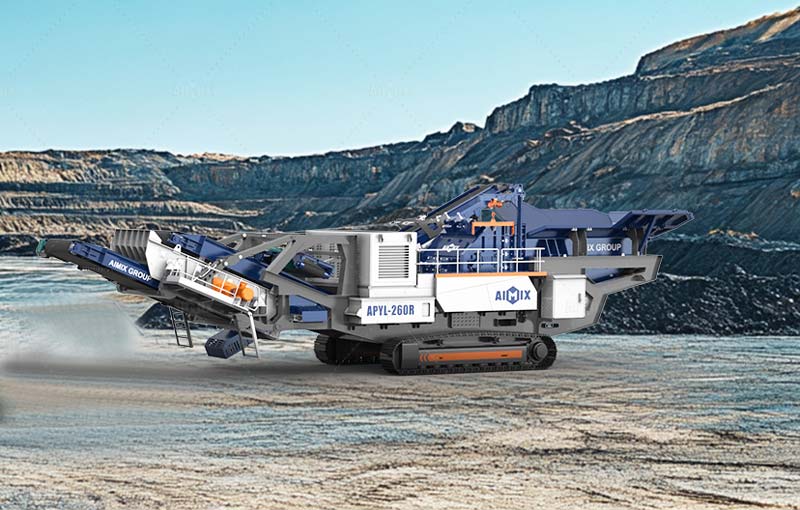
Mobile crushers for concrete recycling primarily come in two configurations: jaw crushers and impact crushers. A mobile jaw crusher is renowned for its robustness and high reduction ratio, making it ideal for processing large, reinforced concrete slabs and debris. Its compressive crushing action produces a more angular product, which is excellent for base materials. A mobile impact crusher, conversely, excels at producing a more cubical, well-shaped end product and is often better at separating rebar from the concrete during the crushing process. Many successful operations utilize a two-stage setup with both. The key is to match the crusher’s capabilities to the predominant type of material you will process and the specifications of your target market.
Implementing Efficient On-Site Processing
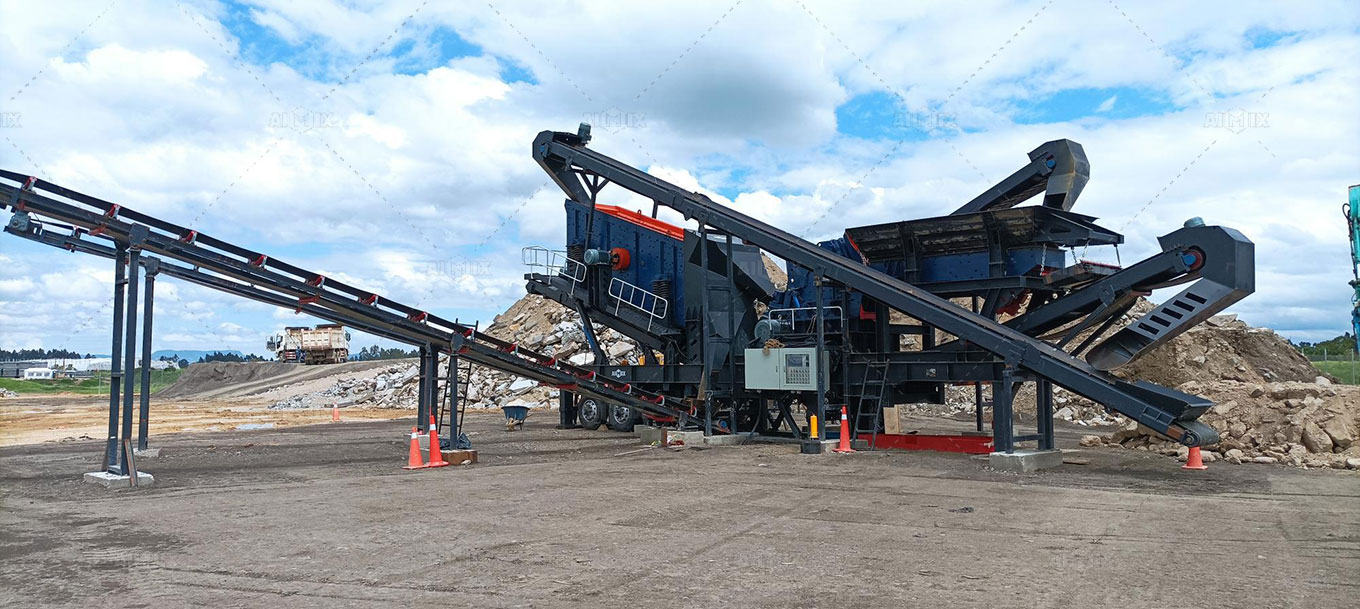
The primary advantage of a mobile crusher is its ability to operate directly at the source of the waste material, such as a demolition site. This on-site processing model eliminates the immense cost of transporting raw, bulky debris to a fixed location and then hauling the finished product back to a project site. Operational efficiency is further enhanced by employing pre-screening to remove contaminants like soil, wood, and plastic before crushing. A magnetic separator is an essential ancillary component, automatically extracting rebar and other ferrous metal, which can be sold as scrap for additional revenue. This integrated approach maximizes material recovery, minimizes handling, and optimizes the quality of the final aggregate product.
The Business Growth Strategy: Economics and Market Positioning
With operations established, the focus shifts to optimizing the economic model and strategically positioning the business for long-term growth and resilience.
Structuring a Competitive Revenue Model
A concrete recycling business typically generates revenue from two primary streams. The first is a tipping fee, charged to contractors for accepting their concrete waste. This fee must be competitively priced against local landfill tipping fees to provide a compelling economic incentive for customers to choose recycling. The second, and more significant, revenue stream is the sale of the processed recycled concrete aggregate. The pricing for RCA is typically set below that of virgin aggregate, providing a cost-saving for your customers while still yielding a healthy margin. A detailed financial model must account for all operational costs—fuel, maintenance, labor, transport, and site overhead—to ensure that the combined revenue streams yield a sustainable profit.
Building a Brand for Quality and Reliability
In a competitive market, reputation is critical. Success is not just about crushing concrete; it is about producing a consistent, high-quality product that engineers and project managers can specify with confidence. Implementing a rigorous quality control process, with regular gradation testing and documentation, builds trust and allows you to command a premium price. Market your stone crushing plant business not just as a waste disposal service, but as a provider of valuable construction materials. Emphasizing the environmental benefits of using recycled aggregate—such as reduced landfill use and lower carbon footprint from quarrying and transport—can also be a powerful differentiator, appealing to contractors and developers pursuing green building certifications and sustainable development goals.