Stone crusher plant investment has become a vital part of the infrastructure and mining development strategies in many countries, with investment preferences shaped by factors such as resource endowments, policy environments, infrastructure needs, and economic development stages. Nigeria, Malaysia, and Peru, located in Africa, Southeast Asia, and South America respectively, exhibit distinct characteristics in their stone crusher plant investment preferences due to their unique national conditions. This article explores the differences in investment preferences among the three countries from the perspectives of equipment selection orientation, investment scale and mode, policy-driven focus, and market demand orientation, while integrating elements such as stone crusher for sale in Nigeria, stone crusher machine Malaysia, and crusher plant in Peru to provide a comprehensive analysis for global investors.
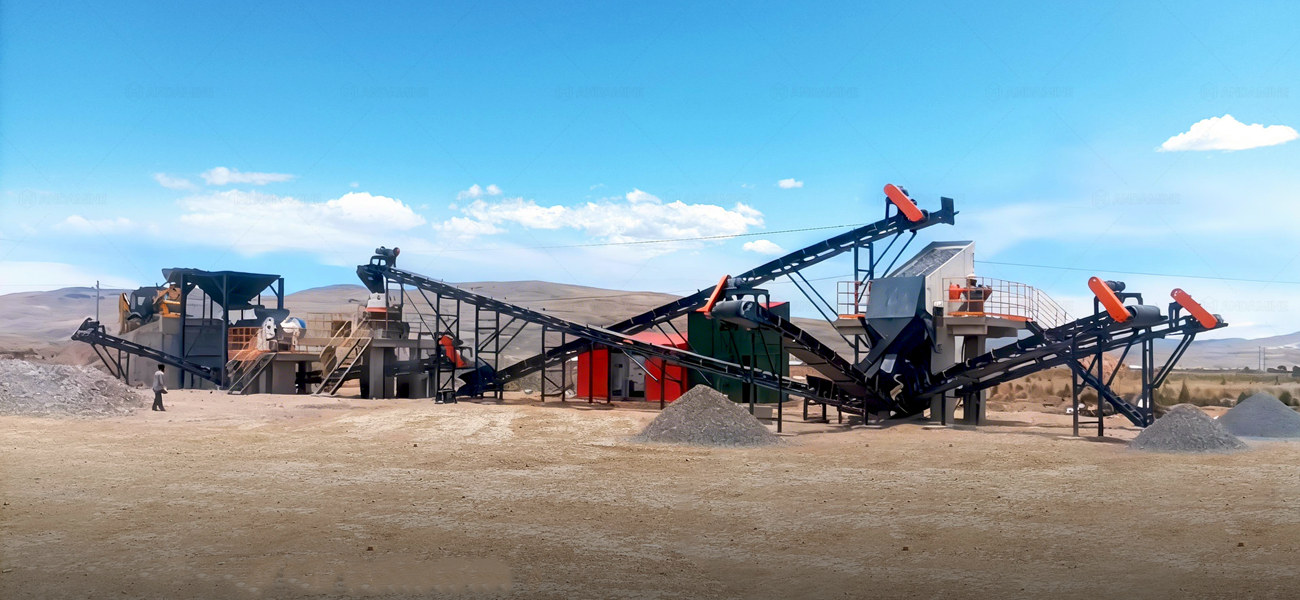
Equipment Selection Orientation: Cost-Effectiveness, Adaptability and High-End Performance
The selection of stone crusher equipment is a core part of stone crusher plant investment, and the three countries show obvious differences based on their respective resource characteristics and operational needs. In Nigeria, the demand for stone crusher for sale in Nigeria is dominated by cost-effective and durable equipment. Nigeria is rich in various mineral resources such as limestone, marble, and granite, but the overall economic level and infrastructure are relatively backward, and investors are more sensitive to the initial purchase cost and subsequent maintenance costs of equipment. Therefore, small and medium-sized mobile stone crusher machines that are easy to operate, low in energy consumption, and suitable for rough processing are more popular. These equipment can adapt to the scattered resource distribution in Nigeria and the imperfect on-site power supply conditions, and the low price of stone crusher for sale in Nigeria also reduces the threshold for investment. In addition, due to the existence of illegal mining phenomena in Nigeria, many small-scale investors prefer flexible and portable equipment to quickly respond to market changes.
Malaysia’s stone crusher machine Malaysia selection tends to be efficient, environmentally friendly and adaptable to tropical conditions. As a Southeast Asian country with developed infrastructure and a mature construction industry, Malaysia has strict requirements on the quality of crushed stone aggregates and environmental protection standards. Stone crusher machine Malaysia on the market are mostly medium and large-scale fixed production lines, equipped with advanced dust removal and noise reduction equipment to meet the country’s strict environmental regulations. At the same time, Malaysia’s main crushed materials include granite and river pebbles with high hardness. Therefore, the stone crusher machine Malaysia usually adopts high-wear-resistant materials and advanced crushing technology to ensure production efficiency and product quality. In addition, considering the hot and rainy tropical climate, the electrical systems and mechanical components of the equipment are designed with moisture-proof and high-temperature resistance functions to ensure stable operation.
Peru’s crusher plant in Peru focuses on high-performance equipment that can handle large-scale and high-hardness mineral resources. Peru is rich in mineral resources such as copper and gold, and the demand for stone crushing is mostly concentrated in large-scale mining projects and infrastructure construction such as highways and ports. Therefore, the crusher plant in Peru mainly selects large-scale, high-efficiency cone crushers and jaw crushers with strong crushing capacity and high crushing ratio. These equipment can handle large-grain and high-hardness ore materials, meeting the needs of large-scale continuous production. In addition, with the promotion of Peru’s infrastructure construction through public-private partnership models, the crusher plant in Peru also pays attention to the intelligence and automation of equipment to reduce labor costs and improve production safety, which is in line with the country’s demand for efficient and standardized project construction.
Investment Scale and Mode: Small-Scale Diversification, Medium-Scale Standardization and Large-Scale Cooperation
Differences in economic development levels and market environments have led to significant differences in the investment scale and mode of stone crusher plant investment among the three countries. In Nigeria, stone crusher plant investment is dominated by small-scale and diversified modes. Due to the large population base and scattered construction needs in Nigeria, small and medium-sized construction projects such as rural road construction and low-rent housing construction are widely distributed, which has spawned a large number of small-scale stone crusher plant investments. Most investors adopt independent investment or small-scale joint venture modes, with investment scales generally ranging from 400,000 to 2 million yuan, mainly purchasing low-cost stone crusher for sale in Nigeria to build small-scale production lines. This investment mode has the advantages of low risk and quick return, which is in line with the investment capacity and risk tolerance of local and foreign small investors. In addition, Nigeria’s policy allows foreign investors to hold 100% equity in non-oil fields, which also attracts a large number of small and medium-sized foreign investors to participate in stone crusher plant investment.
Malaysia’s stone crusher plant investment tends to be medium-scale and standardized. Malaysia’s construction industry is mature and the market is relatively standardized. Most stone crusher plant investments are carried out by formal construction and mining enterprises, with investment scales ranging from 2 million to 8 million yuan. These investments usually adopt standardized production line designs, integrating stone crusher machine Malaysia with high quality, conveyors, and screening equipment to form a complete production system. The investment mode is mainly enterprise independent investment or strategic cooperation with local construction companies, focusing on long-term and stable returns. Malaysia’s perfect industrial chain and convenient transportation conditions also provide support for medium-scale standardized production, enabling investors to efficiently supply crushed stone aggregates to major construction projects such as urban rail transit and high-grade highways.
Peru’s stone crusher plant investment is characterized by large-scale and cooperative modes. Driven by large-scale infrastructure projects such as ports and highways, Peru’s stone crusher plant investment often requires large-scale capital investment and advanced technical support, with investment scales generally exceeding 8 million yuan. The investment mode is mainly public-private partnership or joint venture between local and foreign large enterprises. For example, in the construction of Peru’s Chancay Port and surrounding supporting facilities, the crusher plant in Peru is usually built by large construction groups through franchise bidding. These large-scale crusher plants adopt integrated production lines and intelligent management systems to meet the massive demand for aggregates in large-scale projects. In addition, Peru’s rich mineral resources have also attracted foreign mining giants to invest in large-scale stone crusher plants, which are linked with mining projects to realize the integrated utilization of resources.
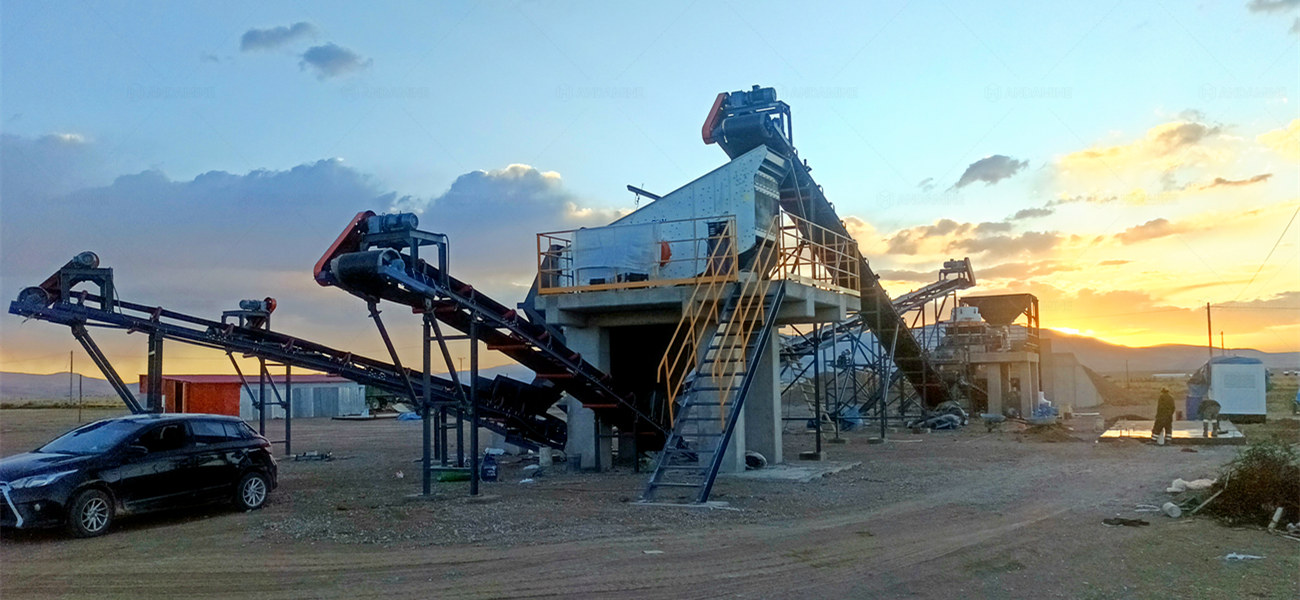
Policy-Driven Focus: Preferential Incentives, Environmental Regulation and Infrastructure Orientation
Government policies play a crucial guiding role in stone crusher plant investment, and the policy focuses of the three countries are significantly different. Nigeria’s policy-driven focus is on preferential incentives to attract investment. The Nigerian government has identified the stone crushing industry as one of the key priority industries, and foreign investors investing in this field can enjoy a 5-year tax exemption policy, which can be extended to 7 years in underdeveloped areas. In addition, Nigeria’s Investment Promotion Commission Act guarantees that foreign investors can freely remit profits and dividends, and there is no restriction on equity ratio in non-oil fields. These preferential policies have greatly reduced the investment cost and risk of stone crusher plant investment, and promoted the influx of a large number of domestic and foreign capital to purchase stone crusher for sale in Nigeria for investment and operation. However, Nigeria also has certain policy risks, such as the inconsistency of local and national policies and the imperfect law enforcement, which require investors to pay close attention to policy changes.
Malaysia’s policy-driven focus is on environmental protection and industry standardization. Malaysia has formulated strict environmental protection laws and regulations, requiring stone crusher plants to install professional dust removal and sewage treatment equipment to ensure that emissions meet national standards. For stone crusher machine Malaysia that do not meet environmental protection requirements, the government will impose heavy fines or order them to shut down. At the same time, the Malaysian government has also standardized the approval process for stone crusher plant investment, requiring investors to go through strict procedures such as environmental impact assessment, land approval, and safety review. These policies have raised the entry threshold of the industry, eliminated a large number of small-scale and low-level stone crusher plants, and promoted the healthy development of the industry in the direction of high efficiency and environmental protection. In addition, the Malaysian government also encourages the upgrading of stone crusher machine Malaysia through technological innovation subsidies.
Peru’s policy-driven focus is on linking with infrastructure construction and promoting public-private partnership. According to Peru’s national development strategy plan, large-scale infrastructure projects adopt the public-private partnership mode, and the government attracts social capital to participate in the construction and operation of crusher plant in Peru through franchise rights. For example, in the expansion project of the Huánuco-Huayánco Highway, the government signed a long-term cooperation agreement with private enterprises, requiring enterprises to invest in the construction of supporting stone crusher plants to ensure the supply of aggregates for the project. In addition, the Peruvian government has also introduced a series of policies to simplify the approval procedures for infrastructure-related investment projects and improve the transparency of project information, creating a favorable policy environment for stone crusher plant investment. These policies make the crusher plant in Peru closely linked to the national infrastructure construction plan, with clear market demand and stable investment returns.
Market Demand Orientation: Construction of Basic Facilities, Urbanization and Mining Industry Support
The market demand orientation of stone crusher plant investment is closely related to the country’s economic development focus. Nigeria’s market demand is mainly oriented to the construction of basic infrastructure and rural development. With the continuous growth of Nigeria’s population and the acceleration of urbanization, the demand for basic facilities such as rural roads, water conservancy projects, and low-cost housing is increasing, which has driven the strong demand for crushed stone aggregates. In addition, Nigeria’s local construction industry is dominated by small and medium-sized projects, which has led to the market demand for stone crusher for sale in Nigeria being mainly small-scale and portable equipment that can meet the needs of scattered construction sites. At the same time, with the promotion of the African Continental Free Trade Area, Nigeria’s export-oriented construction industry is also developing, which has further expanded the market demand for stone crusher plants.
Malaysia’s market demand is oriented to urbanization construction and high-grade infrastructure. Malaysia has a high level of urbanization, and the construction of urban rail transit, high-grade highways, and commercial buildings is in a steady development stage. These projects have high requirements on the quality and performance of crushed stone aggregates, which has promoted the demand for high-efficiency and high-precision stone crusher machine Malaysia. In addition, Malaysia’s tourism industry is developed, and the construction of scenic spots and supporting facilities also has a certain demand for special-shaped crushed stone and decorative stone, which has driven the diversification of stone crusher plant investment. The stable growth of Malaysia’s construction industry has ensured the continuous market demand for stone crusher plants, making medium-scale and standardized investment projects have good development prospects.
Peru’s market demand is mainly oriented to the mining industry and large-scale infrastructure construction. Peru is one of the world’s major mineral producing countries, and the mining industry is the pillar of the national economy. A large number of mining projects require a lot of crushed stone aggregates for the construction of mines, roads, and workshops, which has driven the demand for large-scale crusher plant in Peru. In addition, the Peruvian government’s investment in large-scale infrastructure projects such as ports, railways, and highways has also brought a huge market demand for crushed stone aggregates. For example, the investment of 820 million soles in 21 public projects around the Chancay Port has greatly boosted the demand for local stone crusher plants. Peru’s market demand makes the crusher plant in Peru focus on large-scale production capacity and high reliability, with a clear connection between investment projects and industrial and infrastructure development.
In conclusion, the stone crusher plant investment preferences of Nigeria, Malaysia, and Peru are significantly different due to the differences in resource endowments, policy environments, and economic development stages. Nigeria focuses on cost-effective equipment and small-scale diversified investment driven by preferential policies; Malaysia emphasizes high-quality, environmentally friendly equipment and medium-scale standardized investment guided by environmental regulations; Peru focuses on high-performance equipment and large-scale cooperative investment linked to infrastructure and mining industries. For global investors, understanding these differences and combining the characteristics of stone crusher for sale in Nigeria, stone crusher machine Malaysia, and crusher plant in Peru is crucial to formulating scientific investment strategies and achieving sustainable returns in the three countries’ stone crusher plant investment markets.